
Minerals
&Trace Elements
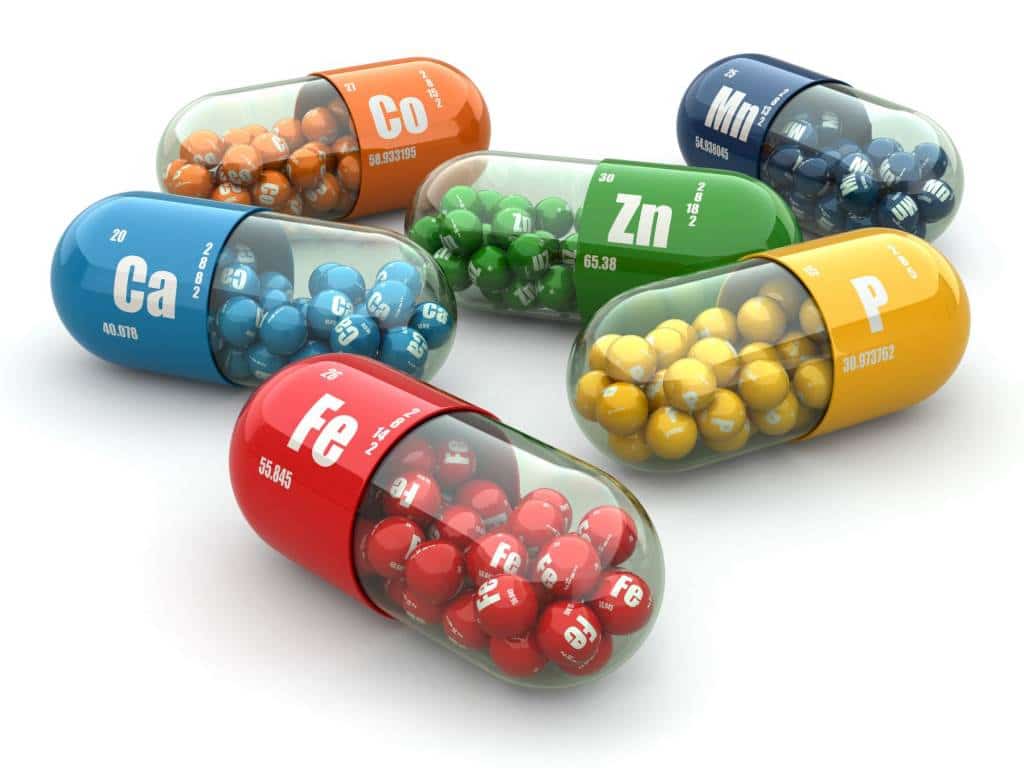
Food supplements are intended to supplement the general diet. They contain nutrients such as vitamins, minerals or other substances with a nutrition-specific effect.
CALCIUM
Calcium contributes to normal signal transmission between nerve cells, to the normal function of digestive enzymes, to normal blood clotting, to normal energy metabolism and to normal muscle function. Calcium has a function in cell division and specialization and is needed for the maintenance of normal bones and teeth.
Iron
Iron contributes to normal cognitive function, normal energy-yielding metabolism, normal formation of red blood cells and haemoglobin, normal oxygen transport in the body and normal function of the immune system. Iron contributes to the reduction of tiredness and fatigue and has a function in cell division.
POTASSIUM
Potassium contributes to the normal function of the nervous system, normal muscle function and the maintenance of normal blood pressure.
MAGNESIUM
Magnesium contributes to the reduction of tiredness and fatigue, electrolyte balance, normal energy-yielding metabolism, normal nervous system function, normal muscle function, normal protein synthesis and normal mental function. Magnesium contributes to the maintenance of normal bones and teeth and has a function in cell division.
SELENIUM
Selenium contributes to normal sperm formation, the maintenance of normal hair and nails, the normal function of the immune system, normal thyroid function and the protection of cells from oxidative stress.
ZINC
Zinc contributes to normal acid-base metabolism, normal carbohydrate metabolism, normal cognitive function, normal DNA synthesis, normal fertility and reproduction, and normal immune system function. Zinc contributes to normal metabolism of macronutrients, fatty acids and vitamin A, as well as normal protein synthesis. Zinc contributes to the maintenance of normal bones, hair, nails, skin and vision, as well as normal testosterone levels in the blood, and protects cells from oxidative stress.
Nutrients
&Amic acids
Omega-3 fatty acids
Omega-3 fatty acids are polyunsaturated fatty acids and are part of a balanced diet.
If there is a sufficient amount
- EPA and DHA contribute to normal heart function.
- DHA contributes to the maintenance of normal brain function and vision.
ALGAE
Algae are natural raw materials used in food and dietary supplements. They contain different nutrients depending on the species.
ANTIOXIDANTS
Certain vitamins and minerals (e.g. vitamin C, vitamin E, zinc, selenium) help to protect cells from oxidative stress.
Fiber
Fiber is a component of plant-based foods and part of a balanced diet.
Example:
- Glucomannan contributes to weight loss as part of a low-calorie diet (only at approved dosages).
ENZYMES
Enzymes are proteins that are involved in numerous metabolic processes in the body.
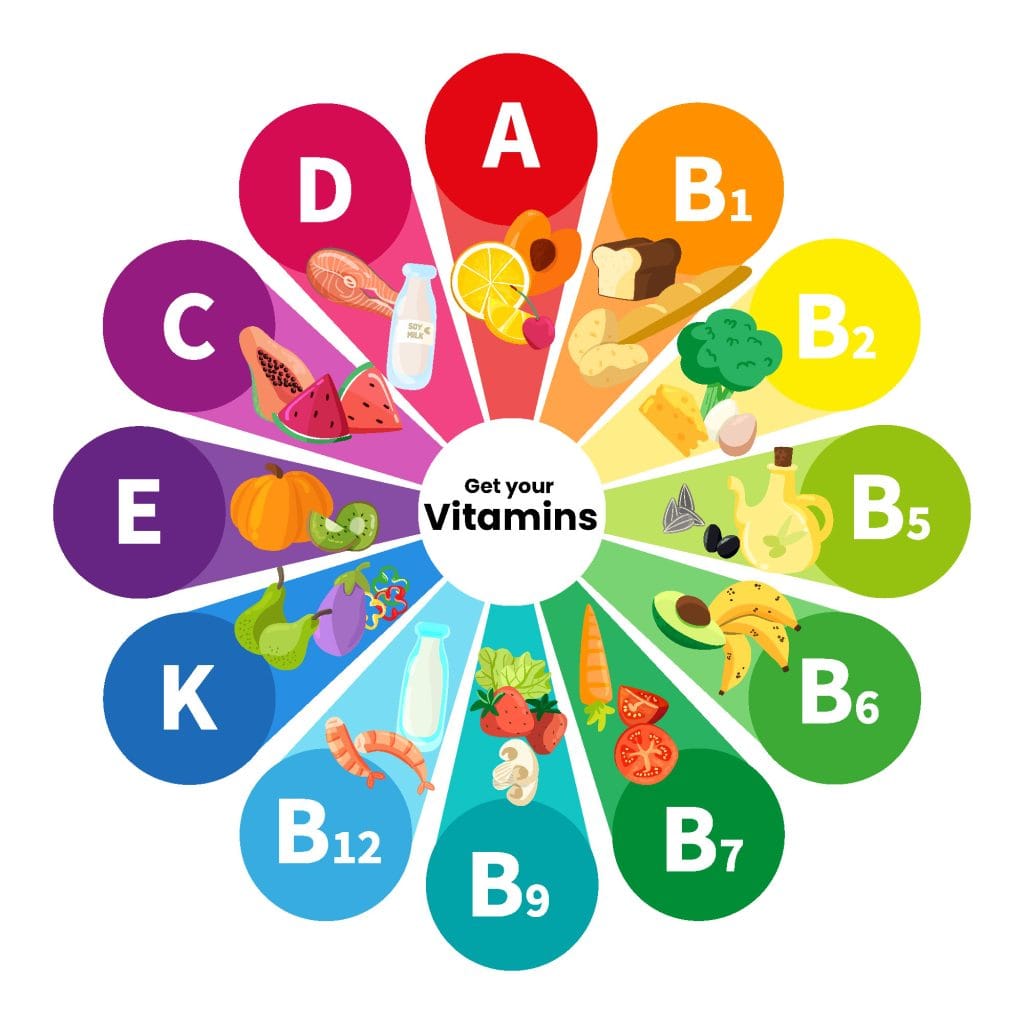
VITAMINS
Biotin
Biotin contributes to normal energy metabolism, normal nervous system function, normal mental function, and maintenance of normal hair, skin, and mucous membranes.
Vitamin A
Vitamin A contributes to normal iron metabolism, the maintenance of normal mucous membranes, skin and vision, and the normal function of the immune system. Vitamin A has a function in cell specialization.
Vitamin B1 (Thiamine)
Vitamin B1 contributes to normal energy-yielding metabolism, normal nervous system function, normal mental function and normal heart function.
Vitamin B12
Vitamin B12 contributes to normal energy-yielding metabolism, normal nervous system function, normal homocysteine metabolism, normal mental function, normal red blood cell formation and immune system function. Vitamin B12 contributes to the reduction of tiredness and fatigue and has a function in cell division.
Vitamin C
Vitamin C contributes to the normal function of the immune system (even during and after intense physical activity at a daily intake of 200 mg), to normal collagen formation for the normal function of blood vessels, bones, cartilage, skin, teeth and gums, as well as to normal energy-yielding metabolism. Vitamin C contributes to the normal functioning of the nervous system and mental function, protects cells from oxidative stress, contributes to the reduction of tiredness and fatigue and increases iron absorption.
Vitamin C trägt zu einer normalen Funktion des Nervensystems und der psychischen Funktion bei, schützt die Zellen vor oxidativem Stress, trägt zur Verringerung von Müdigkeit und Ermüdung bei und erhöht die Eisenaufnahme.
Vitamin D
Vitamin D contributes to the normal absorption and utilization of calcium and phosphorus, to normal calcium levels in the blood, to the maintenance of normal bones, muscle function and teeth, and to the normal function of the immune system. Vitamin D has a function in cell division.
Vitamin E
Vitamin E helps protect cells from oxidative stress.
Vitamin K
Vitamin K contributes to normal blood clotting and the maintenance of normal bones.
Wichtiger Hinweis:
The effects mentioned refer to the respective nutrients according to the permitted claims of the EU. The prerequisite is that the products contain the corresponding minimum quantities specified by law.
Food supplements are not a substitute for a balanced and varied diet and a healthy lifestyle
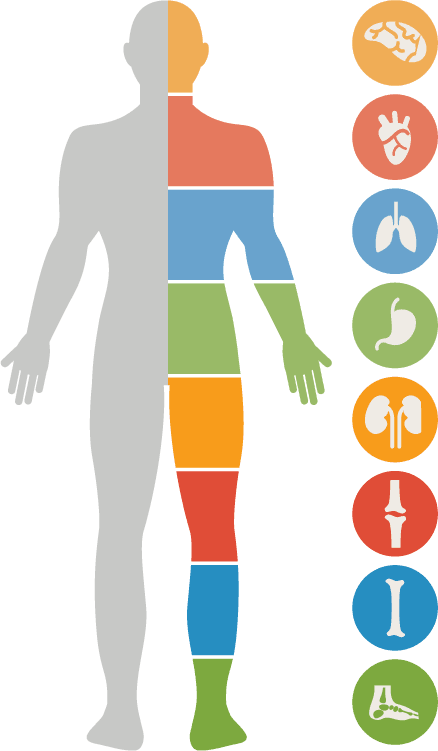
You can see which substances are important in which areas in the table below.
Effect for/against | Material |
Muscle building | Omega-3 fatty acids |
Muscle Cramps | Magnesium |
Improved brain performance | Omega-3 fatty acids |
Hair loss, strong nails & hair, clear skin, wrinkles | Q10 |
Lose weight | Chitosan (fat blocker) |
Strong nerves | Vitamin B |
Eyes | Beta carotene |
Anemia | Iron |
Allergies | Vitamin A |
Dementia & Osteoporosis | Vitamin B 6 |